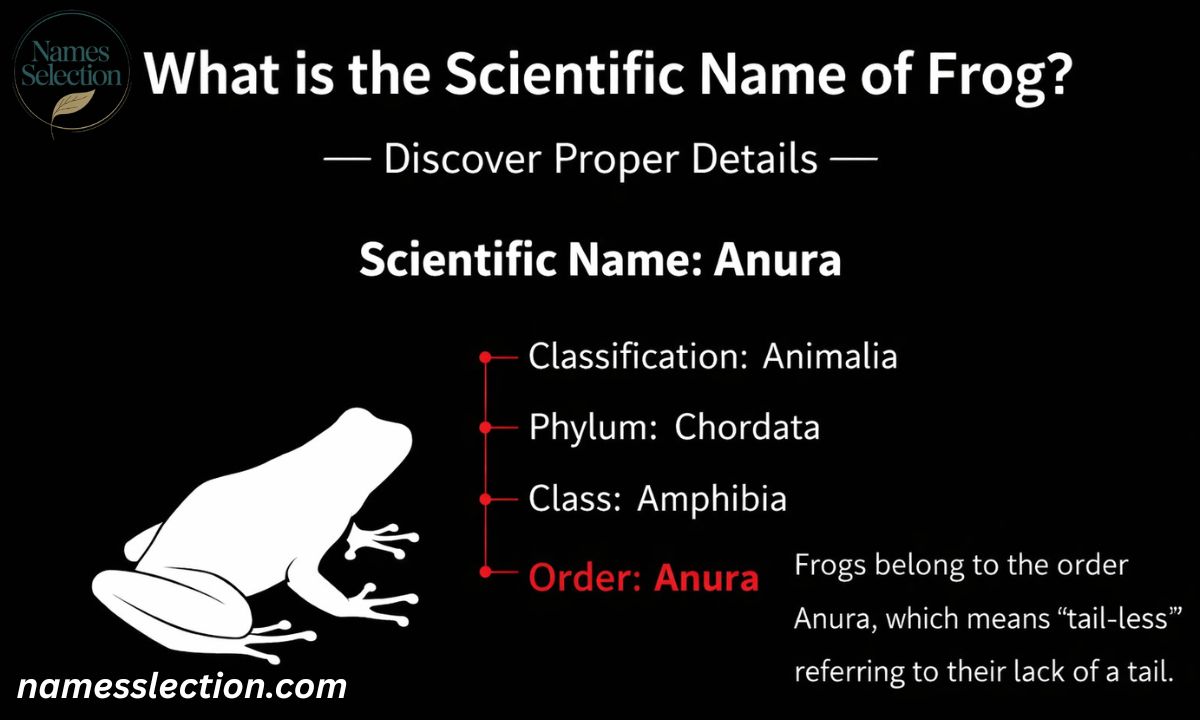
Understanding the scientific name of frog is crucial for identification. Frogs are classified under the order Anura in amphibian biology. Scientists worldwide rely on these standardized names for accurate communication. The scientific name of frog enables precise species recognition globally.
Biological nomenclature follows universal standards established by international conventions. Each frog species possesses a distinctive two-part Latin designation. The scientific name of a frog prevents misidentification across cultures. This naming convention eliminates language barriers in scientific research.
Amphibians have thrived on our planet for millions of years. Their scientific designations reveal evolutionary connections and distinctive features. The scientific name of frog updates as discoveries emerge. Advanced genetic analysis refines classification systems more accurately today.
Biological Name of Frog and Its Classification
The scientific name of frog adheres to binomial nomenclature principles. Carl Linnaeus established this classification framework for biological organization. Each species receives two names representing genus and species. The biological name of frog provides universal scientific understanding.
Taxonomic hierarchy organizes frogs into progressively specific categories. From kingdom down to species, each level narrows classification. The scientific name of a frog indicates its evolutionary placement. This structured system facilitates amphibian biodiversity research worldwide.
Complete Frog Taxonomic Hierarchy:
| Taxonomic Level | Classification |
| Kingdom | Animalia |
| Phylum | Chordata |
| Class | Amphibia |
| Order | Anura |
| Family | Dicroglossidae |
| Genus | Hoplobatrachus |
| Species | Hoplobatrachus tigerinus |
Scientific Name of Frog in Biology
The scientific name of frog in biology designates a particular species. Hoplobatrachus tigerinus represents the commonly studied biological designation. This scientific name superseded the previous classification Rana tigrina. Molecular research necessitated taxonomic reclassification in contemporary science.
Common Frog Species Scientific Designations:
| Common Name | Scientific Name | Distribution |
| Indian Bullfrog | Hoplobatrachus tigerinus | South Asia |
| European Common Frog | Rana temporaria | Europe |
| American Bullfrog | Lithobates catesbeianus | North America |
| Green Tree Frog | Hyla cinerea | United States |
| African Clawed Frog | Xenopus laevis | Southern Africa |
| Poison Dart Frog | Dendrobates tinctorius | South America |
The scientific name of frog genus and species differs substantially. Species names frequently describe characteristics or commemorate scientists. Biological nomenclature maintains uniformity throughout scientific publications. This standardization facilitates global researcher collaboration effectively.
History of the Frog Scientific Name

The scientific name of the frog evolved across research centuries. Early scientists classified amphibians using physical traits alone. Rana represented among the earliest frog genus classifications. Researchers initially grouped numerous species under this designation.
Rana tigrina served as the accepted scientific name historically. This nomenclature specifically identified the Indian bullfrog species. The genus Rana translates to frog in Latin. The species designation tigrina references tiger-striped markings.
Contemporary genetic investigation transformed amphibian classification methods significantly. DNA analysis demonstrated many Rana species required reclassification. The scientific name of frog shifted from Rana tigrina to Hoplobatrachus tigerinus. This revision reflected accurate evolutionary relationships among species.
Why is the Scientific Name of the Frog Important?
The scientific name of frog fulfills essential scientific functions. Common names differ regionally creating considerable confusion. Scientific designations ensure universal identification across linguistic boundaries. This uniformity permits effective international scientific communication.
Critical Significance of Scientific Nomenclature:
- Precise Identification: The scientific name of a frog differentiates similar species preventing research errors
- Conservation Programs: Accurate naming supports endangered species protection and habitat preservation globally
- Pharmaceutical Research: Frog species produce valuable medicinal compounds for drug development
- Environmental Monitoring: Scientists track population dynamics using standardized scientific classifications
- Academic Education: Students learn amphibian biodiversity through consistent scientific naming systems
Difference Between Frog Common Name and Scientific Name
Common designations vary dramatically across geographical regions and languages. The scientific name of the frog stays identical internationally. This distinction creates communication challenges without scientific nomenclature.
Common Name vs Scientific Name Comparison:
| Common Name | Scientific Name | Regional Variations |
| Indian Bullfrog | Hoplobatrachus tigerinus | Asian Bullfrog, Tiger Frog |
| American Bullfrog | Lithobates catesbeianus | Giant Frog, Bull Frog |
| Common Frog | Rana temporaria | European Frog, Grass Frog |
| Green Tree Frog | Hyla cinerea | American Tree Frog |
| Wood Frog | Lithobates sylvaticus | Woodland Frog, Forest Frog |
Different Species of Frogs and Their Scientific Names
Approximately 7,000 frog species populate Earth with distinct names. Every species possesses its exclusive two-part Latin identifier. The scientific name of frog species indicates evolutionary heritage.
Scientific Names of Diverse Frog Species:
| Species Category | Scientific Name | Native Region |
| Bull Frog | Lithobates catesbeianus | North America |
| Leopard Frog | Lithobates pipiens | North America |
| Wood Frog | Lithobates sylvaticus | North America |
| Red-Eyed Tree Frog | Agalychnis callidryas | Central America |
| Glass Frog | Centrolenidae (family) | South America |
| Purple Frog | Nasikabatrachus sahyadrensis | India |
| Rice Field Frog | Fejervarya limnocharis | Southeast Asia |
| Giant Philippine Frog | Limnonectes magnus | Philippines |
Habitat and Behavior of Frogs
Frogs occupy varied ecosystems from rainforests to arid deserts. The scientific name of frog frequently suggests habitat characteristics. Individual species evolved adaptations for specific environmental conditions.
Typical Frog Habitat Environments:
- Tropical Rainforests: High humidity and warm temperatures support diverse frog populations year-round
- Aquatic Environments: Ponds, lakes, streams, and rivers serve as essential breeding locations
- Arid Deserts: Specialized species survive extreme conditions through underground burrowing behaviors
- Wetland Areas: Swamps and marshes offer optimal breeding habitats for amphibian species
- Forest Ecosystems: Woodland species inhabit leaf litter and fallen logs for protection
How Scientists Determine the Frog Scientific Name?
Scientists employ various methodologies when assigning the scientific name of frog. Physical characteristics offer preliminary classification information and insights. Modern technology revolutionized amphibian identification and taxonomic classification.
Scientific Naming Methodologies:
- Morphological Examination: Researchers analyze body structure, skin patterns, coloration, and dimensions
- DNA Analysis: Genetic sequencing reveals evolutionary lineages confirming taxonomic relationships
- Behavioral Observation: Mating calls, breeding patterns, and territorial displays distinguish species
- Geographic Data: Distribution patterns help identify species boundaries and endemic populations
- Paleontological Evidence: Fossil records illuminate evolutionary history and ancestral connections
Is There One Scientific Name for All Frogs?
No universal scientific name encompasses all existing frog species. The order Anura collectively includes all frogs and toads. Each individual species within Anura maintains unique nomenclature. The scientific name of a frog specifies that particular species.
Researchers have documented over 7,000 distinct frog species globally. New discoveries continue in unexplored tropical forest regions. The scientific name of frog changes only with reclassification. Most species retain original designations unless genetic evidence suggests otherwise.
Common misunderstandings assume all frogs share identical nomenclature. Reality demonstrates that frog diversity demands thousands of names. The scientific name of the frog depends on species identification. This variety reflects extensive amphibian evolutionary diversification.
Amazing Facts About Frogs
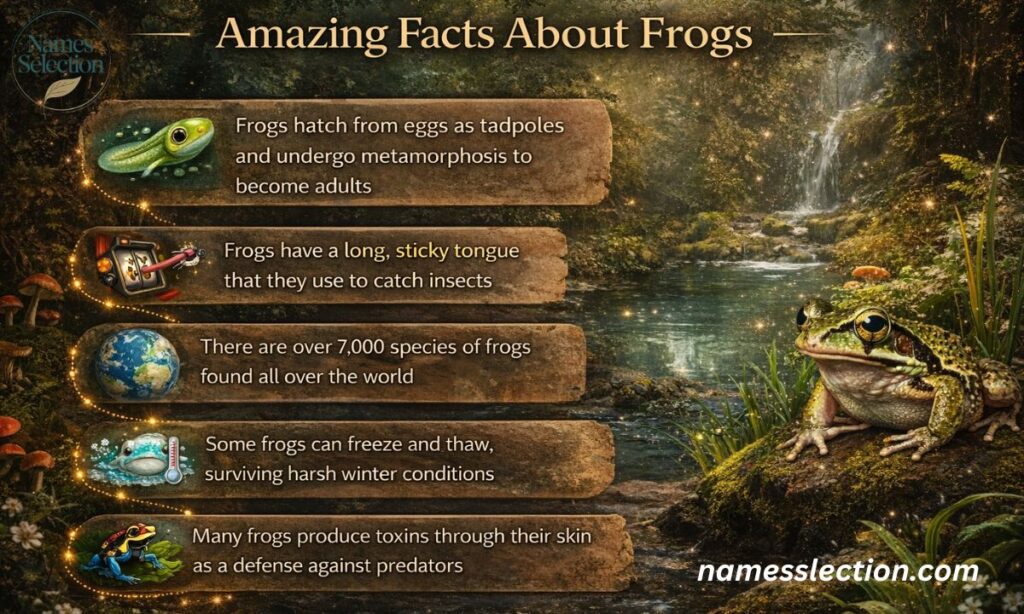
Frogs exhibit extraordinary characteristics captivating scientists and observers. The scientific name of frog species frequently highlights unique attributes. These amphibians developed remarkable survival mechanisms across evolutionary history.
Incredible Frog Characteristics:
- Ancient Origins: Amphibians evolved approximately 200 million years ago surviving mass extinctions
- Cryogenic Survival: Certain species completely freeze during winter months reviving in spring
- Chemical Defense: Brightly colored species secrete potent toxins deterring predators effectively
- Acoustic Power: Some male frogs produce mating calls exceeding 100 decibels in volume
- Size Variation: Species range from Goliath frogs weighing 7 pounds to tiny 7.7-millimeter frogs
- Cutaneous Respiration: Frogs absorb oxygen directly through permeable skin while submerged
Conclusion
The scientific name of frog provides fundamental information for biological research. Understanding amphibian taxonomy supports effective conservation initiatives worldwide. Scientists continuously discover new species requiring proper classification documentation. Biological nomenclature ensures clear communication throughout scientific communities.
Frogs perform vital ecological functions maintaining environmental balance. Their scientific designations help researchers monitor population trends accurately. The scientific name of a frog connects humanity to global biodiversity. Protecting these species and natural habitats remains essential for sustainability.
Frequently Asked Questions
What is the most common scientific name of frog?
Hoplobatrachus tigerinus represents the scientific designation for the Indian bullfrog species commonly studied.
How many frog species have scientific names today?
Over 7,000 distinct frog species possess documented scientific names with ongoing discoveries continuing.
Why did the scientific name of frog change from Rana?
Genetic analysis revealed Rana tigrina belonged to the Hoplobatrachus genus based on DNA evidence.
Does every frog have a unique scientific name?
Yes, every identified frog species receives its exclusive two-part Latin scientific designation universally.
What does the scientific name of frog mean in Latin?
Names describe physical characteristics, honor scientists, or indicate geographic origins of species.

Charlotte, founder of Namesslection.com, shares her passion for creativity through Funny Names, Cute Names, and Other Names. She helps people find unique, fun, and meaningful names with ease.