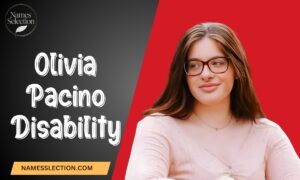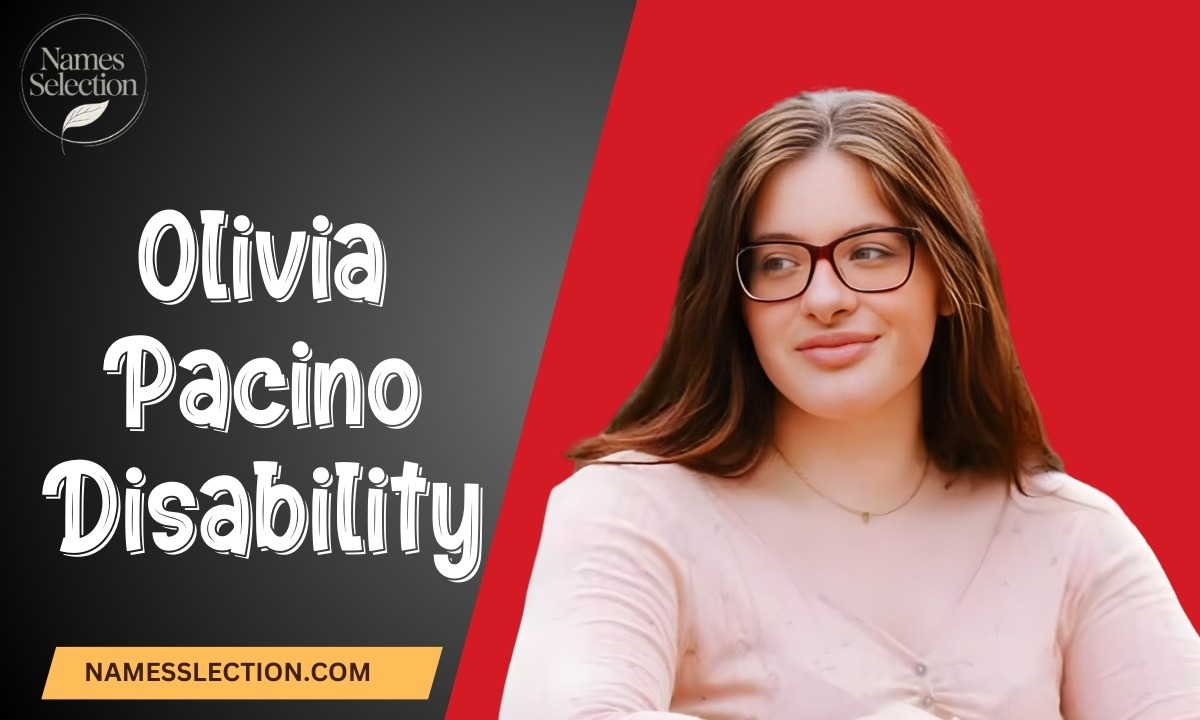
Olivia Pacino has faced persistent online speculation regarding disability despite no confirmed public information. The daughter of legendary actor Al Pacino attracts attention simply due to her famous parentage. Understanding the truth behind these rumors requires examining facts versus speculation and respecting personal privacy boundaries.
Internet searches for “Olivia Pacino disability” generate thousands of results despite lacking credible sources. This phenomenon reflects broader issues about celebrity children, privacy, and how misinformation spreads online. Separating fact from fiction protects individuals from harmful speculation while promoting responsible information sharing.
Who Is Olivia Pacino? A Quick Overview
Olivia Rose Pacino was born on January 25, 2001, to actor Al Pacino and actress Beverly D’Angelo. She has a twin brother, Anton James Pacino, born on the same day. The twins represent Al Pacino’s second and third children from his relationships throughout his life.
Olivia grew up primarily in Los Angeles, California, surrounded by entertainment industry connections. She attended private schools and received education tailored to her individual needs and interests. Her upbringing included exposure to film sets, premieres, and the unique lifestyle of Hollywood families. Despite famous parents, she maintained relatively normal childhood experiences away from constant media scrutiny.
She has pursued interests in filmmaking, social media content creation, and artistic expression. Olivia occasionally appears at public events with her father, showing their close relationship. Her social media presence reveals a creative, confident young woman exploring her identity and interests. She represents the new generation of celebrity children navigating fame in the digital age.
Understanding the Rumor: Why Do People Search “Olivia Pacino Disability”?
Online searches about Olivia Pacino’s supposed disability stem from multiple misunderstandings and speculation. These searches reflect curiosity about celebrity families combined with misinformation spreading through social media. Understanding why these rumors exist helps address the underlying issues driving unfounded speculation.
1. Modern Learning Styles Are Misunderstood
Olivia attended schools offering personalized education approaches different from traditional public schooling. Alternative education methods are often misinterpreted as accommodation for disabilities rather than educational preferences. Personalized learning benefits many students regardless of disability status or special needs.
Private schools in Los Angeles frequently offer customized curricula emphasizing creativity and individual pacing. These approaches reflect educational philosophy rather than necessary accommodations for learning disabilities. Parents choosing alternative education prioritize teaching methods aligning with their children’s learning styles. This choice doesn’t indicate disability but rather educational preferences based on family values.
2. Celebrity Children Face Extra Public Pressure
Children of famous parents endure excessive scrutiny regarding their development, behavior, and achievements. The public often searches for explanations when celebrity children don’t follow traditional paths. Any deviation from expected norms triggers speculation about underlying conditions or challenges. This scrutiny creates unfair pressure on young people simply trying to live their lives.
Olivia’s relatively private lifestyle compared to some celebrity children prompted questions and assumptions. People incorrectly assume privacy indicates something being hidden rather than healthy boundaries. The absence of constant public appearances doesn’t suggest disability but rather intentional privacy protection. Celebrity families have legitimate reasons for limiting their children’s public exposure.
3. Social Media Speculation Spreads Quickly
Unverified claims on forums, gossip sites, and social media platforms spread rapidly without fact-checking. Once speculation begins, it perpetuates through shares, comments, and repeated searches creating false narratives. Algorithms amplify sensational content regardless of accuracy, making misinformation difficult to correct. Search engines then suggest these terms to others, creating self-perpetuating cycles of speculation.
Common Sources of Misinformation:
| Platform | How Misinformation Spreads |
| Gossip Forums | Unverified claims presented as inside information |
| Social Media | Speculation shared as fact without sources |
| Clickbait Sites | Misleading headlines designed to generate traffic |
| Comment Sections | Assumptions and rumors repeated until believed |
The Verified Truth: Olivia Pacino Has No Confirmed Disability
No credible sources, official statements, or verified reports confirm Olivia Pacino has any disability. Her parents have never publicly discussed any disability diagnosis or special needs. She has not personally addressed these rumors on her social media platforms or public appearances.
The absence of credible information should end speculation rather than fuel it further. Responsible journalism requires verifiable sources before reporting on someone’s health or disability status. Without confirmed information, assuming disability exists represents irresponsible speculation harmful to the individual. The burden of proof lies with those making claims, not with families maintaining privacy.
Olivia appears in photos and videos showing typical development, social engagement, and communication abilities. Her creative pursuits, social media presence, and public appearances demonstrate capabilities consistent with neurotypical development. While these observations don’t definitively prove absence of disability, they contradict speculation about significant challenges. Most importantly, her private health information deserves protection regardless of actual circumstances.
Respecting Privacy: Why Speculation Can Be Harmful
Speculation about anyone’s disability status creates multiple harmful consequences extending beyond the individual. Understanding these impacts encourages more responsible online behavior and information sharing. Protecting privacy represents basic respect for human dignity and personal boundaries.
1. Health Information Is Personal
Medical conditions, disabilities, and health challenges constitute deeply personal information. Individuals have absolute rights to keep this information private without public explanation. No one owes the public details about their health simply because of family connections. Privacy laws in many jurisdictions specifically protect health information from unauthorized disclosure.
2. Speculation Can Lead to Stigma
Unfounded disability rumors can create stigma affecting how others perceive and interact with someone. Even when meant without malice, speculation reinforces the idea that disabilities require explanation or justification. This perpetuates harmful attitudes that disabilities represent something negative requiring disclosure or defense. Speculation can impact educational opportunities, social relationships, and professional prospects unfairly.
3. Celebrities’ Children Have a Right to Normalcy
Children don’t choose their parents’ fame and shouldn’t lose privacy rights because of it. Celebrity children deserve opportunities to develop identities separate from parents’ public personas. Excessive scrutiny during formative years can negatively impact mental health and self-concept development. Allowing space for normal development without constant surveillance represents basic compassion and decency.
Her Educational Journey: What We Actually Know
Olivia Pacino attended private schools in Los Angeles providing personalized educational experiences. These institutions focus on individual learning styles, creative expression, and holistic development. Her educational path reflects choices made by engaged parents prioritizing their children’s well-being.
1. She Flourished in Personalized Learning Systems
Personalized education allows students to progress at individual paces while exploring personal interests deeply. This approach benefits students across ability spectrums, not exclusively those with learning differences. Schools offering customized curricula often produce confident, self-directed learners with strong critical thinking skills. Olivia’s educational experience equipped her with skills for creative pursuits and independent thinking.
2. Many Students Benefit From Alternative Education
Alternative education models serve diverse learners including gifted students, creative thinkers, and those preferring non-traditional approaches. These schools often emphasize project-based learning, artistic expression, and real-world application over standardized testing. Students choose alternative education for philosophical alignment rather than necessity from learning challenges. The quality and individualization often exceed traditional public school experiences.
3. Her Success Shows Her Strength
Olivia has successfully transitioned to young adulthood with creative pursuits and healthy relationships. Her social media presence demonstrates communication skills, creativity, and self-confidence. She maintains close family bonds while developing independent identity and interests. These achievements reflect successful development regardless of educational approach chosen.
Her Life Online: A Confident Personality and Creative Expression
Olivia maintains active social media presence showcasing her personality, interests, and creative work. Her accounts feature photography, personal reflections, and glimpses into her daily life. She engages with followers authentically while maintaining appropriate boundaries around personal information.
Her online presence reveals someone comfortable with self-expression and creative exploration. She shares artistic projects, travel experiences, and moments with family and friends. Her communication style appears thoughtful, articulate, and emotionally intelligent across various posts. Social media provides platform for her voice independent of her father’s fame.
Olivia’s confident online persona contradicts speculation about significant developmental or cognitive challenges. She navigates social media’s complexities with maturity appropriate for her age group. Her creative content demonstrates technical skills, aesthetic sensibility, and narrative ability. These capabilities reflect well-developed cognitive and social-emotional functioning.
Also Read this Celebrity: Dan Clancy Net Worth
Her Relationship with Her Parents
Olivia maintains strong, loving relationships with both parents despite their separation when she was young. Family bonds remain priority for Al Pacino and Beverly D’Angelo regarding their twins. Their co-parenting approach prioritized children’s stability and emotional well-being throughout their upbringing.
1. A Strong Bond with Her Father
Al Pacino, despite demanding career, has been actively involved in Olivia’s life since birth. He frequently brings his children to film sets, premieres, and personal events. Their relationship appears warm, affectionate, and mutually supportive based on public appearances. Pacino has spoken about how fatherhood changed his perspective and brought joy to his later years.
2. A Deep Connection with Her Mother
Beverly D’Angelo provided primary day-to-day care during Olivia’s childhood and adolescence. Mother and daughter share close bond evident through social media posts and public statements. D’Angelo balanced her acting career with dedicated parenting, prioritizing her children’s needs. She advocated for educational choices supporting her children’s individual development and happiness.
3. A Healthy, Supportive Family Environment
Despite parents’ separation, Olivia grew up in stable, loving environment with both parents involved. Family relationships prioritize support, communication, and unconditional love over public image. This foundation provided security allowing healthy development into confident young adulthood. Strong family bonds often correlate with positive outcomes regardless of family structure.
Public Perception and Media Attention
Media coverage of Olivia Pacino remains relatively limited compared to some celebrity children. When covered, articles focus primarily on her father’s career rather than her individual story. This limited attention reflects both parental protection and her own choices about public engagement.
Public perception often conflates curiosity with entitlement to information about celebrities’ families. However, curiosity doesn’t justify invasion of privacy or spreading unverified information. Respectful interest acknowledges boundaries while maintaining healthy distance from private family matters. Media outlets bear responsibility for fact-checking before publishing speculation about private individuals.
The disability speculation reflects broader problems with celebrity culture and information accuracy online. Addressing this specific rumor requires examining systemic issues around privacy, verification, and responsible content creation. Improving public discourse benefits everyone, not just celebrity families facing unfounded speculation.
The Importance of Accurate Information in the Digital Age
Digital media enables rapid information spread without traditional journalistic gatekeeping processes. This democratization of content creation has benefits but also serious drawbacks regarding accuracy. Understanding these dynamics helps individuals consume and share information more responsibly.
1. Fact-Checking Protects Individuals
Verifying information before sharing prevents harm to individuals targeted by false or misleading content. Simple fact-checking steps include seeking multiple credible sources and questioning sensational claims. Protecting reputation and privacy requires collective commitment to accuracy over entertainment value. Individuals can contribute by refusing to spread unverified claims regardless of how interesting they seem.
2. Misinformation Can Affect Reputation
False information online persists indefinitely through archives, screenshots, and repeated sharing across platforms. Reputation damage from misinformation can impact educational opportunities, employment, and personal relationships. Once established, false narratives become difficult to correct even with factual information. Prevention through responsible sharing represents the most effective protection against misinformation harms.
3. Responsible Writing Encourages Awareness
Content creators influence public discourse through framing choices, language use, and information verification standards. Responsible writing acknowledges limitations of available information and avoids speculation presented as fact. Quality content prioritizes accuracy and respect for subjects over generating clicks through sensationalism. Writers can model behavior encouraging more thoughtful information consumption and sharing.
Also Read This Celebrity: Bill Gothard Net Worth
Why People Should Stop Speculating About Disabilities
Disability speculation creates numerous problems regardless of whether the speculation proves accurate. Changing these patterns requires understanding why speculation causes harm and committing to better practices.
1. Disabilities Do Not Define a Person
Reducing someone to a disability diagnosis ignores their full humanity, accomplishments, and individuality. People with disabilities deserve recognition for their complete selves rather than singular focus on challenges. Identity-first perspectives emphasize disabilities as one aspect of multifaceted individuals with diverse characteristics. Speculation often reduces complex individuals to single-dimensional assumptions about limitations.
2. No One Owes the Public an Explanation
Privacy rights include freedom from demands to disclose personal health information to satisfy curiosity. Public figures and their families retain fundamental rights to privacy about sensitive personal matters. Disclosure decisions belong exclusively to individuals affected, not to audiences claiming entitlement to information. Respecting these boundaries represents basic ethical behavior in civilized society.
3. Respectful Dialogue Matters
How society discusses disabilities affects people living with disabilities and their families daily. Respectful language, accurate information, and privacy protection create inclusive environments for everyone. Speculation undermines progress toward disability inclusion by treating disabilities as secrets requiring exposure. Thoughtful dialogue acknowledges disabilities without sensationalism, stigma, or privacy violations.
A Positive Look at Olivia Pacino’s Achievements
Rather than focusing on unfounded speculation, recognizing Olivia’s actual achievements provides more constructive perspective. She has successfully navigated unique challenges of growing up with famous parents. Her creative pursuits demonstrate talent, dedication, and willingness to explore artistic expression publicly.
Olivia’s Notable Accomplishments:
- Maintains healthy relationships with both parents despite their separation
- Developed confident public presence through thoughtful social media engagement
- Pursues creative interests including filmmaking and artistic projects
- Successfully transitioned to independent young adulthood with clear sense of identity
- Handles public attention with maturity and appropriate boundary-setting
- Supports her twin brother while developing individual identity separate from him
- Demonstrates emotional intelligence and self-awareness in public communications
Her achievements reflect personal growth, family support, and individual resilience. These accomplishments deserve recognition regardless of disability status. Celebrating what individuals achieve rather than speculating about challenges represents healthier public discourse. Olivia’s story demonstrates that celebrity children can develop into thoughtful, capable adults despite unique pressures.
Frequently Asked Questions
Does Olivia Pacino have a disability?
No confirmed information or credible sources verify Olivia Pacino has any disability; speculation exists without factual basis or official statements.
Why do people search for Olivia Pacino disability information?
Searches stem from misunderstandings about alternative education, celebrity curiosity, and misinformation spreading through social media and gossip sites without verification.
What schools did Olivia Pacino attend?
Olivia attended private schools in Los Angeles offering personalized education, though specific institutions remain private information protected by family.
Is Olivia Pacino close to her father Al Pacino?
Yes, Olivia maintains a strong, loving relationship with Al Pacino, frequently appearing with him publicly and sharing affectionate moments.
What does Olivia Pacino do professionally?
Olivia explores creative pursuits including filmmaking, content creation, and artistic projects while maintaining privacy about specific career details.
Does Olivia Pacino have siblings?
Yes, Olivia has a twin brother Anton James Pacino and several half-siblings from her father’s other relationships throughout his life.
Why is Olivia Pacino’s education discussed online?
Her alternative education choices prompted speculation, though personalized learning benefits many students regardless of special needs or disability status.
Has Olivia Pacino addressed disability rumors?
No, Olivia has not publicly addressed these unfounded rumors, maintaining her right to privacy regarding personal health information.
What is Olivia Pacino’s relationship with her mother?
Olivia shares a close bond with Beverly D’Angelo, who provided primary care during childhood and remains actively involved in her life.
Is it appropriate to speculate about someone’s disability?
No, disability speculation violates privacy rights, can create stigma, and causes harm regardless of whether speculation proves accurate or false.
What can we actually confirm about Olivia Pacino?
We can confirm she is Al Pacino’s daughter, has a twin brother, pursues creative interests, and maintains close family relationships.
How does misinformation about disabilities spread online?
Misinformation spreads through gossip sites, social media speculation, and unverified claims repeated until algorithms amplify them as popular searches.
Why do celebrity children deserve privacy?
Celebrity children didn’t choose fame and deserve normal development opportunities without excessive scrutiny affecting mental health and identity formation.
What message does disability speculation send?
Speculation suggests disabilities require explanation, reinforces stigma, and treats personal health information as public entertainment rather than private matter.
How can people be more responsible about information sharing?
Fact-check before sharing, question unverified claims, respect privacy boundaries, and refuse to spread speculation about individuals’ health or disabilities.
Conclusion
The speculation surrounding Olivia Pacino disability lacks any credible foundation or verified information. No official statements, medical records, or reliable sources confirm any disability diagnosis. This unfounded rumor demonstrates how misinformation spreads through celebrity culture, social media amplification, and misunderstandings about alternative education.
Olivia Pacino deserves privacy regarding her health information regardless of actual circumstances. Her personalized education reflected family choices about learning approaches, not necessarily accommodations for disabilities. The assumption that alternative education indicates disability perpetuates misunderstandings harmful to both disability communities and those choosing non-traditional paths.
Charlotte, founder of Namesslection.com, shares her passion for creativity through Funny Names, Cute Names, and Other Names. She helps people find unique, fun, and meaningful names with ease.