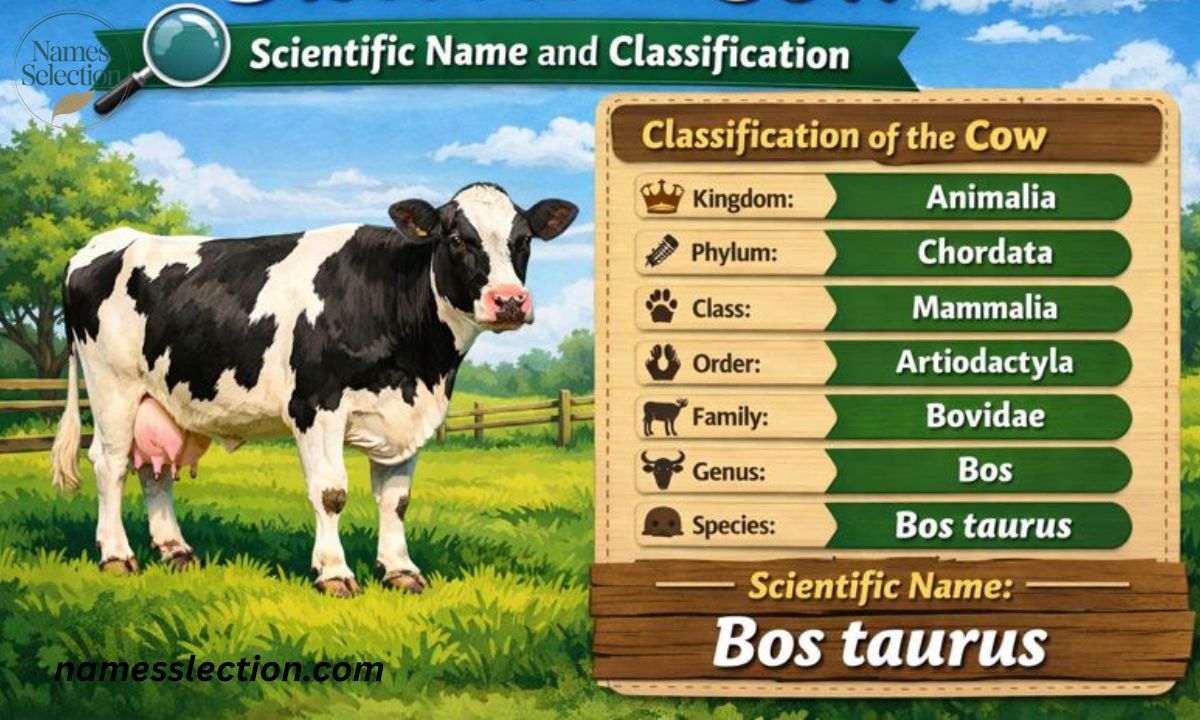
Cow scientific name provides essential identification for cattle globally. Proper biological classification supports agricultural advancement and veterinary science. Knowledge of Bos taurus enhances understanding of domestic cattle genetics.
Cattle rank among humanity’s most valuable domesticated livestock species. These animals contribute significantly to food production and agricultural economies. The cow scientific name enables clear communication among international scientists.
People frequently inquire about cattle’s official biological designation today. This detailed resource examines the cow scientific name and taxonomy. We explore scientific nomenclature’s significance in animal husbandry practices.
What Is the Cow Scientific Name?
The cow scientific name is Bos taurus.
The cow scientific name comprises two Latin terms following nomenclature conventions. Binomial nomenclature assists scientists in classifying all organisms systematically. Every domestic cattle specimen worldwide carries this identical designation.
Bos represents the genus encompassing cattle within biological classification. The species identifier taurus specifies domestic cattle particularly. Combined, these elements form the complete cow scientific name.
Genus: Bos
Species: taurus
Scientific Name for Cow in Biology Classification
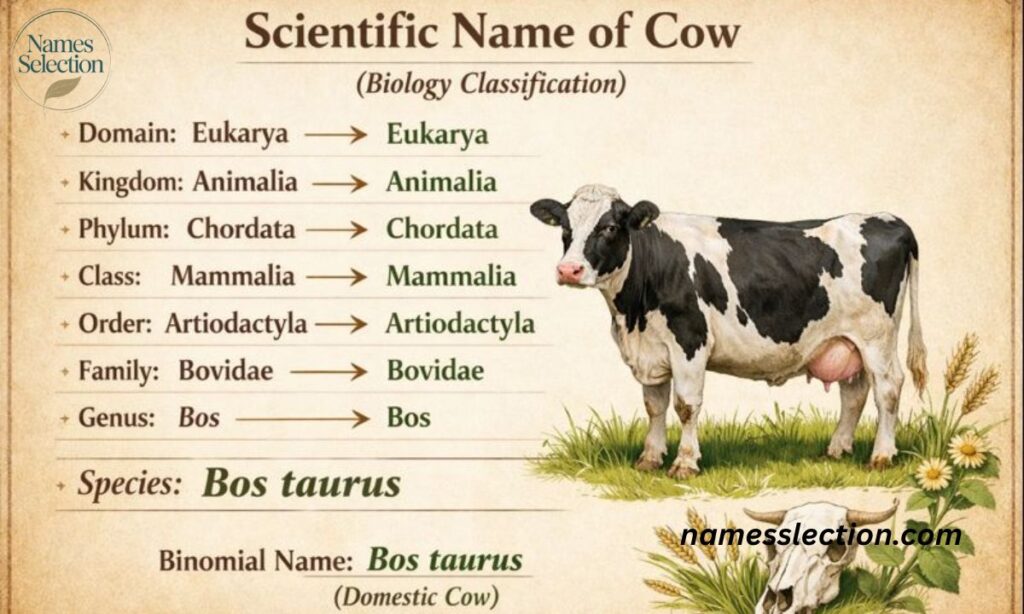
The cow scientific name exists within comprehensive taxonomic organization. Scientists employ this hierarchical framework for categorizing Earth’s biodiversity. This system clarifies evolutionary relationships among diverse animal groups.
Each classification tier reveals important biological characteristics of cattle. Kingdom through species, every rank progressively refines identification. The cow scientific name occupies the most precise classification position.
| Taxonomy Level | Classification |
| Kingdom | Animalia |
| Phylum | Chordata |
| Class | Mammalia |
| Order | Artiodactyla |
| Family | Bovidae |
| Genus | Bos |
| Species | taurus |
This taxonomy demonstrates cattle’s exact position in nature. Each hierarchical level shares characteristics with related organisms. The cow scientific name Bos taurus represents the finest detail.
Complete Taxonomy of Cow From Kingdom to Species
The cow scientific name falls under Kingdom Animalia with animals. Phylum Chordata contains organisms possessing vertebral columns and spinal structures. Class Mammalia encompasses all mammals nursing offspring with milk.
| Taxonomic Rank | Classification | Defining Characteristics |
| Kingdom | Animalia | Multicellular organisms consuming organic matter for sustenance |
| Phylum | Chordata | Creatures with notochord and dorsal hollow nerve structures |
| Class | Mammalia | Warm-blooded vertebrates possessing hair and mammary gland features |
| Order | Artiodactyla | Even-toed ungulates with hooves divided into two sections |
| Family | Bovidae | Ruminant species with permanent horns and multi-chambered stomachs |
| Genus | Bos | Large bovine species including domesticated and wild cattle |
| Species | taurus | Domesticated cattle raised for dairy, meat, and labor purposes |
Comprehending the cow’s scientific name demands understanding each rank. Scientists developed this classification through centuries of biological research. Contemporary studies continuously enhance cattle relationship knowledge.
Why Is the Scientific Cow Name Important?
The cow scientific name prevents misunderstandings when discussing cattle internationally. Various regions employ different local terminology for identical species. Bos taurus offers universal terminology recognized throughout scientific communities.
Scientific designations fulfill numerous essential functions in agriculture:
- Veterinary specialists utilize the cow scientific name in clinical records
- Global commerce demands precise species identification for livestock transactions
- Academic publications require scientific names maintaining communication standards
- Genetic programs monitor bloodlines using accurate biological terminology
- Protection initiatives rely on proper classification for safeguarding endangered relatives
The cow’s scientific name became standard in educational materials worldwide. Educational systems globally teach proper taxonomic language from early levels. Contemporary databases and technology reference Bos taurus as official terminology.
Cow (Bos taurus) Related Species
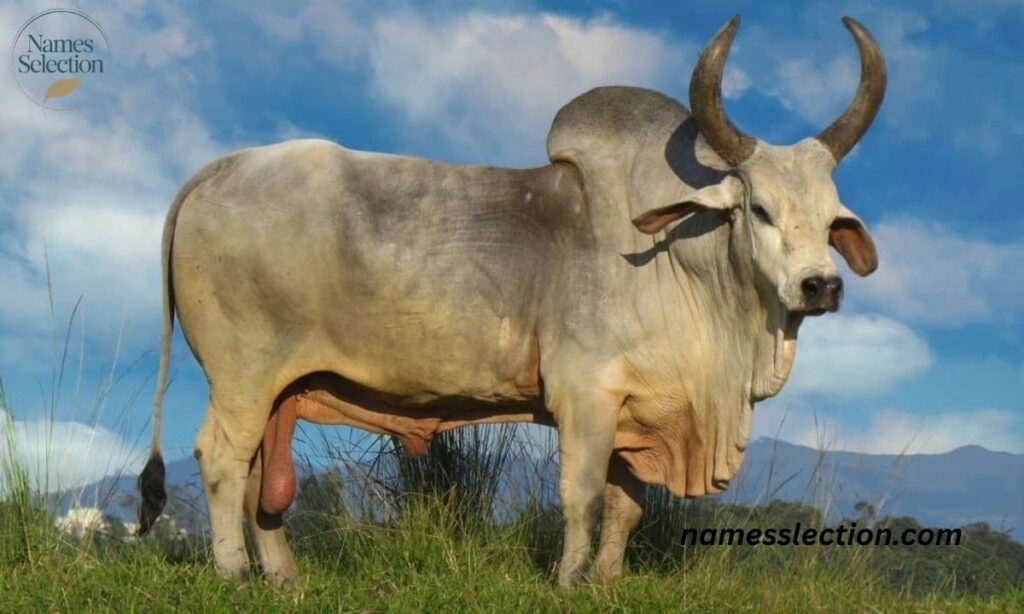
The cow’s scientific name belongs to the genus Bos with relatives. Multiple cattle species share close evolutionary connections with domestic cattle. Understanding these relationships explains cattle diversity and environmental adaptations.
The Bos genus contains these significant cattle species:
- Bos indicus: Zebu cattle featuring characteristic prominent shoulder humps
- Bos primigenius: Extinct aurochs representing ancestors of contemporary cattle
- Bos grunniens: Wild yak species inhabiting high-altitude Asian mountain regions
- Bos javanicus: Banteng cattle native to Southeast Asian forest environments
Each Bos genus member shares fundamental biological traits. However, the cow scientific name Bos taurus specifically designates domestic cattle. These related species illuminate cattle evolutionary development and adaptation.
Difference Between Bos taurus and Bos indicus
The cow scientific name Bos taurus contrasts with Bos indicus significantly. These species represent distinct lineages within domestic cattle classification. Environmental adaptation and morphological features differentiate these cattle varieties.
| Characteristic | Bos taurus | Bos indicus |
| Common Designation | European cattle | Zebu or humped cattle |
| Physical Trait | Absent shoulder hump | Distinctive shoulder hump |
| Climate Suitability | Temperate environments | Tropical hot regions |
| Heat Adaptation | Lower heat tolerance | Superior heat tolerance |
| Disease Immunity | Moderate parasite resistance | Enhanced parasite resistance |
| Geographic Source | Europe and temperate zones | India and tropical territories |
Primary distinctions separating these cattle species:
- Bos indicus demonstrates superior tropical climate adaptation capabilities
- Bos taurus achieves higher dairy production in cooler environments
- Genetic analysis clearly distinguishes these two separate cattle species
How Is the Cow Scientific Name Used in Modern Farming?
The cow’s scientific name features prominently in contemporary agricultural documentation. Farmers and veterinary professionals employ proper terminology maintaining livestock databases. International standards mandate accurate species identification for commerce and health documentation.
Contemporary farming applications of scientific nomenclature:
- Breeding operations track genetic information using the cow scientific name
- Medical documentation records treatments referencing proper species classification
- Trade documentation requires Bos taurus designation for international livestock movement
- Laboratory genetic analysis references the cow scientific name in findings
- Agricultural coverage specifies policies based on scientific species classification
Cow Breed Classification and Conservation
The cow scientific name Bos taurus encompasses numerous distinct breeds. Individual breeds developed specialized characteristics through selective breeding programs. Modern preservation initiatives protect rare cattle breeds globally.
Breed categorization assists farmers selecting suitable cattle for operations. Certain breeds specialize in dairy production while others optimize meat. The cow’s scientific name remains consistent despite individual breed differences.
International organizations maintain comprehensive registries documenting recognized cattle breeds. These databases utilize the cow scientific name as foundational classification. Conservation programs safeguard genetic diversity within Bos taurus populations.
Variations by Breed and Geography of Cow
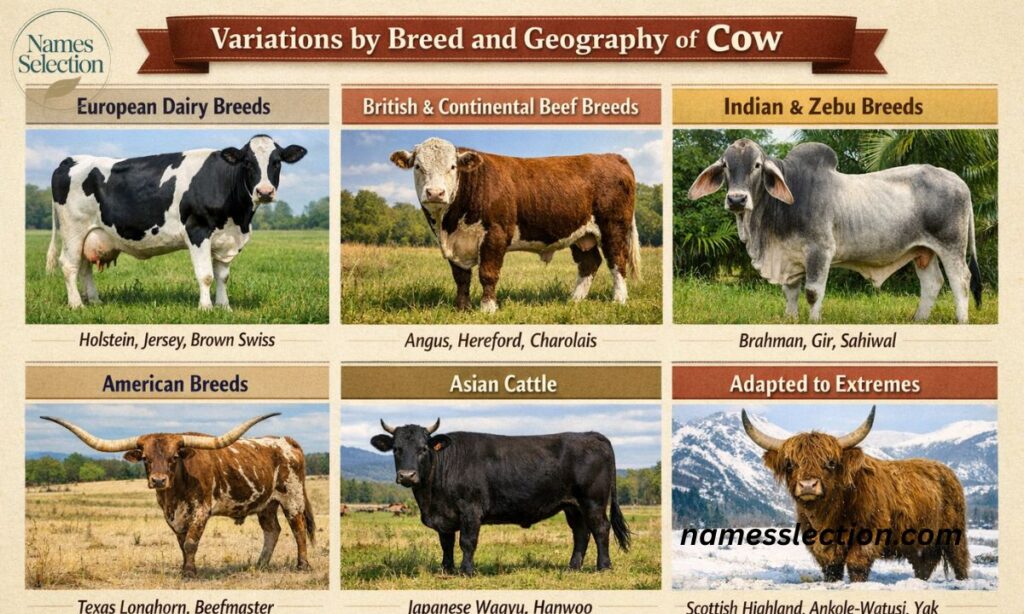
The cow scientific name applies to cattle breeds on every continent. Geographic separation created distinctive cattle populations with observable traits. Selective breeding amplified variations among cattle breeds over generations.
Notable cattle breeds sharing cow scientific name Bos taurus:
- Holstein Friesian: Black-and-white dairy cattle producing exceptional milk quantities
- Jersey: Compact brown dairy cows recognized for rich butterfat content
- Angus: Black beef cattle valued for superior marbling characteristics
- Hereford: Red-and-white beef cattle demonstrating climate adaptability
- Brahman: Heat-resistant cattle incorporating Bos indicus genetic characteristics
Despite remarkable physical and functional differences among breeds worldwide. All domestic cattle maintain identical cow scientific name classification. This consistency supports standardization throughout global cattle industries.
Last Words
The cow scientific name Bos taurus embodies centuries of classification development. Understanding proper taxonomic language benefits agricultural professionals universally. Scientific nomenclature establishes universal communication standards transcending linguistic boundaries.
Contemporary agriculture relies extensively on accurate species identification. The cow scientific name supports research, breeding, commerce, and conservation globally. Studying Bos taurus provides essential insights into cattle biology.
Frequently Asked Questions
What is the cow scientific name?
The cow scientific name is Bos taurus in biological classification systems.
Why do cows have a Latin scientific name?
Latin scientific names create universal identification standards across all global languages.
What does Bos taurus mean in English?
Bos designates the cattle genus while taurus identifies the domesticated cattle species.
Are all cow breeds called Bos taurus?
Yes, all domestic cattle breeds share the identical cow scientific name designation.
What is the difference between Bos taurus and Bos indicus?
Bos taurus represents European cattle while Bos indicus designates humped tropical cattle.

Charlotte, founder of Namesslection.com, shares her passion for creativity through Funny Names, Cute Names, and Other Names. She helps people find unique, fun, and meaningful names with ease.